
Cashmere fabrics are primarily categorized into knitted and woven fabrics. Knitted fabrics are created by sequentially bending yarn into loops that interlock with one another. Because the loops are formed by yarn curving through space, these fabrics offer excellent breathability, a soft hand-feel, and good elasticity and stretch; however, they are prone to unraveling, curling, and snagging, and are generally less durable than woven fabrics. Knitted cashmere is suitable for products such as sweaters, trousers, skirts, base layers, and T-shirts. Knitted shawls are produced using flat-bed knitting machines in a manner similar to sweaters, allowing for various stitch patterns and structures-such as half-cardigan (or "double-tuck") stitch, cable knit, and plain stockinette stitch.
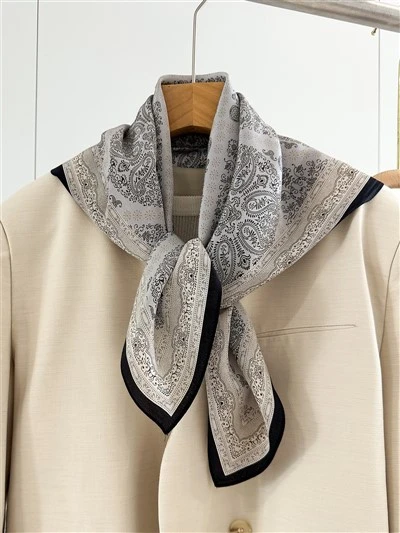
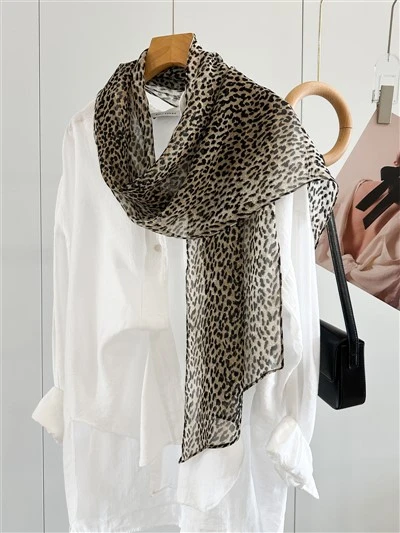
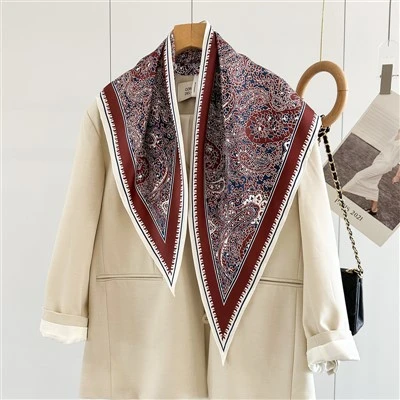
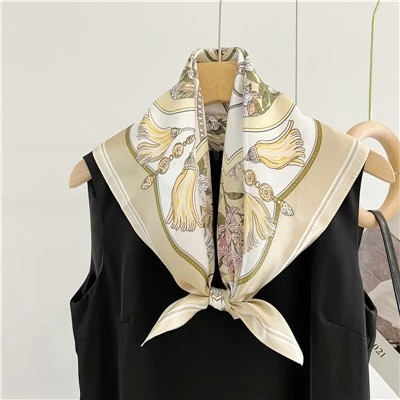
Woven fabrics are created by interlacing two or more sets of yarns at right angles (90 degrees) to one another. These fabrics feature a stable structure and a flat surface; they hold their shape well when draped and offer good washability, though they lack the elasticity of knitted fabrics. Woven cashmere is suitable for products such as blankets, scarves, and shawls [1]. Woven shawls are produced on weaving looms, enabling the creation of elegant, luxurious jacquard patterns; common examples include "water-ripple" finish shawls and lightweight woven cashmere shawls.